
Dr. James Dickert and Dr. Agatha Lynn take a comprehensive approach to your dental care, taking into consideration oral health-related concerns that can also affect your overall health and well-being. Sleep disorders, especially sleep apnea, have been diagnosed at an increasing rate and can often be treated effectively with oral appliance therapy at West Ashley Family Dentistry.
According to the American Sleep Apnea Association, around 22 million people suffer from sleep apnea. Characterized by loud snoring, sleep disorders can also lead to an increased risk for cardiovascular and systemic disease, including heart attack and stroke, and many other health complications that can impact the quality of life.
As your dentist, we have an in-depth understanding of the entire occlusal system and function of the facial structure. We can work with you on an individual basis to determine your risk factors for a sleep disorder and discuss your symptoms.
Sleep Apnea Risk Factors
We want to identify both the type of sleep disorder you may be suffering from and the underlying cause or risk factors. Knowing these two things helps us provide effective care and improve your health.
Common risk factors of sleep apnea include:
- Being overweight or obese
- Being a smoker
- Having high blood pressure
- Having a large neck circumference
- Chronic nasal congestion
- Having a narrow airway or a small lower jaw
- Being male
- Being over the age of 40
We’ll consider these risk factors and may recommend lifestyle changes in addition to your treatment.
Treatment for Sleep Apnea in Charleston, SC
Dr. Dickert and Dr. Lynn will work with you to determine if your symptoms are part of a sleep disorder and what type you may have. The most common type is obstructive sleep apnea (OSA).
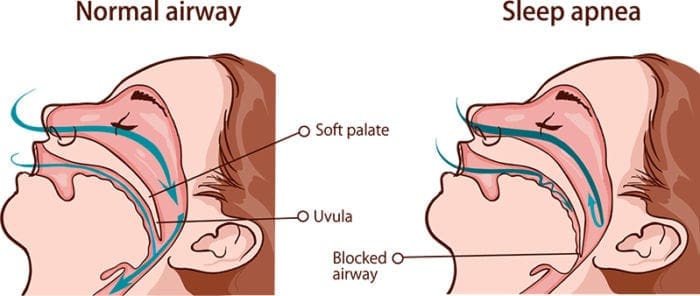
This is typically caused by an obstruction of the upper airway during sleep resulting from the collapse of soft tissues at the back of the throat. The airway becomes blocked, and patients are momentarily unable to breathe, cutting oxygen off from vital organs. OSA can often be treated with an oral appliance to relieve symptoms and reduce associated risks.
Although the CPAP machine is still considered the “gold standard” of treatment for OSA, a custom oral appliance can be effective in mild to moderate cases. Due to the inconvenience and maintenance of the CPAP, patient compliance is generally poor, reducing its ability to improve symptoms.
An oral appliance will fit much like a custom-made sports mouthguard, allowing you to speak and drink fluids while wearing it. It works by opening the airway, relaxing the jaw muscles, and allowing you to breathe throughout the night. The device will be carefully fabricated to the specifications of your mouth.
It is comfortable, easy to use, convenient, and portable. For these reasons, patients will commit to routine use and enjoy improved overall health and a good night’s rest.
Sleep Apnea FAQs
Read answers to common questions about sleep apnea in Charleston, SC.
Can you leave sleep apnea untreated?
Leaving sleep apnea untreated should be avoided. It may increase a patient’s risk of heart issues, restless sleep, and high blood pressure. This may impact day-to-day life activities.
What foods should I avoid if I have sleep apnea?
If you have sleep apnea, your diet can play an important role in managing your symptoms. Certain foods can make inflammation worse or contribute to weight gain, both of which can aggravate sleep apnea.
Patients are often advised to avoid red meat and highly saturated fatty meats. These foods are known to increase inflammation throughout the body, which can make airway swelling worse and reduce airflow while you sleep. In addition, high-fat meals can contribute to weight gain, which may narrow your airway and worsen sleep apnea symptoms.
Other foods to limit include processed foods, fried foods, and sugary snacks, as they can also contribute to inflammation and make breathing more difficult at night
What is the most common trigger for sleep apnea?
The most common trigger for sleep apnea is obesity. When a person carries extra weight, especially around the neck and throat, it can cause the airway to become narrow or blocked during sleep. This makes it harder for air to flow in and out, leading to pauses in breathing.
However, weight isn’t the only factor. Other things like aging, genetics, or having a naturally smaller airway can also contribute to sleep apnea. Maintaining a healthy weight, exercising regularly, and avoiding alcohol before bed can help lower your risk and improve your breathing while you sleep.
Do I need a CPAP machine if I have sleep apnea?
Many patients with moderate to severe sleep apnea symptoms need a CPAP to sleep safely. However, not all sleep apnea patients benefit from CPAPs. Oral appliances may be enough to open the airway in patients with mild sleep apnea symptoms. Contact your doctor for sleep testing to determine if a sleep apnea appliance works for you.
Do you have sleep apnea if you snore?
You may not always have sleep apnea if you snore. However, snoring is common in patients with sleep apnea. Snoring and sleep apnea are not the same.
Snoring is the sound that occurs when air passes through relaxed tissues in the throat. Sleep apnea occurs when the tissues in the airway block breathing. You can snore when you sleep and may still not have sleep apnea.
What worsens the symptoms of sleep apnea?
Multiple factors can worsen sleep apnea:
- Sleeping on your back
- Drinking excessively
- Obesity
- High blood pressure
- Type 2 Diabetes
- Smoking
Inflammation, high blood pressure, or a narrow airway can increase your risk of sleep apnea. When you maintain a healthy weight, reduce your alcohol intake, or stop smoking, you can reduce the severity of your symptoms. You can also improve your overall health and energy levels.
Schedule A Dental Exam and Sleep Apnea Evaluation Today
Are you concerned that your snoring may be a sign of a sleep disorder? Schedule a visit with Dr. Dickert or Dr. Lynn. Our Charleston dentist office welcomes new patients and offers personalized care for all of your oral health needs and cosmetic goals. Contact us at (843) 371-5480 or request an appointment online.