
Most people who call a Charleston cosmetic dentist about porcelain veneers have already decided they want them. They’ve seen the before-and-afters and know the price range. What they haven’t heard is a dentist say, “Let’s make sure this is actually the right choice for your mouth before we touch a single tooth.”
That’s how we approach veneers at West Ashley Family Dentistry. Dr. Agatha Lynn starts with your bite, your enamel, and your gums. If those aren’t ready, veneers can look great for a year and then cause real problems. Here’s what she’s checking for, and why it matters if you’re considering veneers in Charleston, SC.
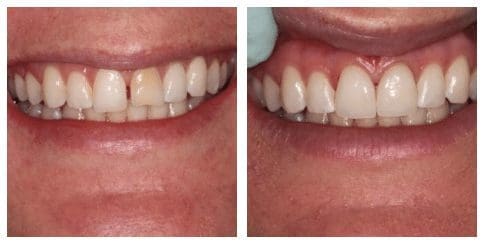
Why the Consultation Starts With Your Bite, Not Your Smile
Dr. Lynn completed advanced study at the Dawson Academy and received its Concept of Complete Dentistry Award. That training focuses on your teeth, jaw joints, and muscles working as one system. If you change how your front teeth meet, you change how the whole system functions.
A lot of cosmetic dentistry ignores this. A dentist preps ten teeth, bonds ten veneers, and sends you home. Then the patient starts waking up with sore jaw muscles or notices a veneer chipping within eighteen months. The veneers weren’t the problem. The bite was.
So before Dr. Lynn recommends porcelain veneers, she evaluates how your teeth come together. She looks at wear patterns, which can show years of grinding or an uneven bite. She checks your jaw joint for clicking, popping, or tenderness. If something looks off, she’ll want to address that first or plan the veneers around it. That’s the difference between a smile that lasts five years and one that lasts fifteen.
Enamel Thickness: The Factor Most Patients Never Hear About
Porcelain veneers require removing a small amount of enamel from the front of your teeth. In many cases, it’s less than a millimeter, but it’s permanent. Enamel doesn’t grow back.
Dr. Lynn checks how much enamel you have before she commits to a plan. Some patients have plenty. Others have worn enamel from years of acid reflux, grinding, or aggressive brushing. For those patients, she may recommend a different approach, such as conservative preparation, or she may suggest addressing the wear first.
This is where the “conservative approach” our patients talk about in reviews actually shows up. If your enamel is thin, a dentist who’s focused only on the cosmetic result might prep anyway. Dr. Lynn will tell you if veneers aren’t the right call yet, and she’ll explain what to do instead.
Gum Health Comes First
You can’t build a beautiful smile on unhealthy gums. If you have active gum disease, veneers can trap bacteria along the gumline and make the problem worse. Dr. Lynn and Dr. James Dickert both screen for periodontal issues during cosmetic consultations at our West Ashley office on St. Andrews Boulevard.
If your gums need treatment, that comes first. Once your gum tissue is healthy and stable, we can plan the veneers. Patients sometimes hear this as a delay. It’s really protection. You’re investing in porcelain that should last a decade or more. You don’t want to gamble that investment on unhealthy tissue.
Grinding and Clenching: The Silent Veneer Killer
This is the question we wish more Charleston patients asked before getting veneers anywhere: “Do I grind my teeth?”
If you do, and nobody addresses it, your veneers are at risk. Porcelain is strong, but it’s brittle under repeated force. Nighttime grinding can chip or crack a veneer, and replacing one isn’t free. Dr. Lynn looks for signs of bruxism during your exam, including flattened chewing surfaces, small fractures on back teeth, and tenderness in the jaw muscles.
If she finds evidence of grinding, she’ll talk with you about a nightguard or other protective measures. Some patients wear one before veneers go on. Others wear one after. Either way, the plan accounts for it. That’s the kind of thing that separates a cosmetic dentist from a dentist who does cosmetic work.
Who Isn’t a Good Candidate for Porcelain Veneers?
Some people aren’t, at least not right now. You may want to wait or consider another option if:
- You have untreated gum disease
- Your enamel is severely worn or eroded
- You have an unstable bite or active TMJ symptoms
- You’re a heavy grinder and aren’t willing to wear a nightguard
- You have significant decay that needs restorative work first
- Your teeth are severely misaligned, and orthodontics would serve you better
None of that means you can’t have a beautiful smile. It means the path to one might look different than you expected. Dr. Lynn will walk you through the alternatives, whether that’s Invisalign to straighten teeth before cosmetic work, bonding for minor chips, or restorative treatment first.
Why This Matters for Patients Searching for Veneers in Charleston
Charleston has plenty of dentists who offer veneers. If you search “porcelain veneers Charleston,” you’ll find dozens of practices. What’s harder to find is a dentist who’ll tell you no, or tell you to wait, or explain why the timing isn’t right yet.
Dr. Lynn’s background makes this approach natural. She taught at the Medical University of South Carolina College of Dental Medicine until 2015, focusing on dental implants and restorative dentistry. She’s a Lowcountry delegate with the South Carolina Dental Association. Dr. Lynn spent her career studying how teeth function, not just how they look. That’s the lens she brings to every veneer consult.
Dr. Dickert brings the same philosophy. Patients routinely mention his conservative approach in reviews, and it’s not a marketing line. It’s how both dentists were trained and how they practice.
Book a Veneer Consultation in West Ashley
If you’re considering porcelain veneers in Charleston, start with a consultation that puts your long-term dental health first. West Ashley Family Dentistry is located at 811 St. Andrews Blvd, Ste B, Charleston, SC 29407, and we welcome patients from West Ashley, James Island, Johns Island, Mount Pleasant, and the surrounding Lowcountry.
Call our new patient line at (843) 371-5480 or request an appointment online. Dr. Lynn or Dr. Dickert will take the time to look at your whole smile, not just the front teeth.