
Porcelain veneers are a significant investment in your smile. With proper care, they can last 10 to 15 years or longer. However, their longevity depends largely on how well they are maintained.
While porcelain is highly durable and resistant to stains, it is not indestructible. Understanding how to protect your veneers can help you preserve your smile for decades.
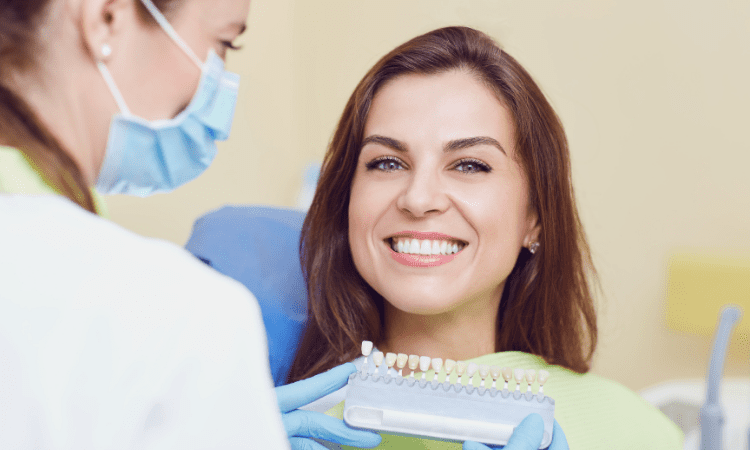
Maintain Excellent Oral Hygiene
The veneer itself will not decay, but the natural tooth structure beneath it can. Plaque and bacteria that accumulate around the margins of a veneer can lead to cavities, gum disease, and eventual bond failure.
Brush twice daily with a non-abrasive fluoride toothpaste. Avoid whitening toothpastes or those containing baking soda, as these can be too abrasive for porcelain. Floss daily, paying particular attention to the gumline around each veneer. An alcohol-free antibacterial mouthwash can help reduce bacteria without compromising the bonding agent.
Regular professional cleanings are essential. Your hygienist can remove plaque from areas you may miss and monitor the condition of your veneers over time.
Be Mindful of Your Diet
Porcelain is stain-resistant, but not stain-proof. Highly pigmented foods and beverages can gradually dull the brightness of your veneers. Acidic foods and drinks can also erode the bonding agent or wear down the edges of the porcelain.
To minimize these effects, consider using a straw for dark or acidic beverages. Rinse your mouth with water immediately after consuming staining foods or drinks. Wait at least 30 minutes before brushing to avoid damaging enamel softened by acid.
Hard foods pose a physical risk. Biting directly into ice cubes, hard candies, nuts, or crusty bread can chip or crack porcelain veneers. Cut hard foods into smaller pieces and chew with your back teeth when possible.
Avoid Damaging Habits
Certain habits can significantly shorten the lifespan of porcelain veneers.
- Nail biting: Places repeated stress on the edges of veneers, leading to chipping or fracturing.
- Chewing on pens, pencils, or ice: Similar to nail biting, this creates unnecessary pressure on the porcelain.
- Using your teeth as tools: Opening packages or bottles can cause immediate damage to veneers.
- Smoking or tobacco use: Can stain the margins of veneers and increase the risk of gum disease, which compromises the supporting teeth. Quitting or reducing tobacco use will benefit your veneers, your natural teeth, and your overall health.
Address Teeth Grinding (Bruxism)
Patients who grind or clench their teeth at night place excessive force on their veneers. Over time, this can cause micro-fractures, chipping, loosening, or complete failure of the veneers.
If you grind your teeth, we recommend a custom night guard to absorb the forces of grinding and protect your veneers during sleep. Dr. Dickert or Dr. Lynn can fabricate a night guard that fits your mouth precisely. Patients who have previously ground through natural enamel are at particularly high risk and should consider this preventive measure essential.
The Role of Bite Stability
Porcelain veneers must function harmoniously with your bite. If your bite is unbalanced, uneven forces can damage your veneers over time. This is one reason why Dr. Dickert and Dr. Lynn, as Dawson-trained dentists, place such emphasis on comprehensive bite evaluation before any cosmetic work.
If you already have veneers and are experiencing issues such as chipping, cracking, or loosening, your bite may be contributing to the problem. A bite evaluation and adjustment, or a night guard, may help protect your existing veneers.
Commit to Regular Dental Visits
Routine dental examinations are your first line of defense in identifying potential problems with your veneers. During each visit, your dentist will:
- Inspect the margins of your veneers for signs of wear, detachment, or decay
- Evaluate the health of the supporting teeth and gums
- Polish the veneers using specialized tools to maintain their luster
- Assess your bite for any changes that could affect your veneers
Early detection of issues often allows for simple repairs rather than complete veneer replacement.
A Note on Whitening
Porcelain veneers do not respond to traditional whitening treatments. If you whiten your natural teeth, your veneers will remain their original shade, potentially creating a mismatched appearance. For this reason, any whitening should be completed before veneers are placed. Your dentist can match the veneers to your desired shade.
If you already have veneers and desire a brighter smile, consult your dentist. Replacement of existing veneers may be necessary to achieve a uniform color change.
When to Seek Professional Care
If you notice any of the following, schedule an appointment promptly:
- Chips, cracks, or rough edges on your veneers
- Sensitivity or pain around a veneer
- Visible darkening or discoloration at the margins
- A veneer that feels loose or mobile
Prompt attention to these issues can often prevent more extensive damage or the need for complete replacement.
Porcelain Veneer Care in Charleston, SC
At West Ashley Family Dentistry, Dr. James Dickert and Dr. Agatha Lynn are committed to helping patients achieve and maintain healthy, beautiful smiles. If you have questions about caring for your porcelain veneers or are due for a routine examination, contact our office today.
Call (843) 371-5480 or request an appointment online. We welcome patients from Charleston and the surrounding Lowcountry.